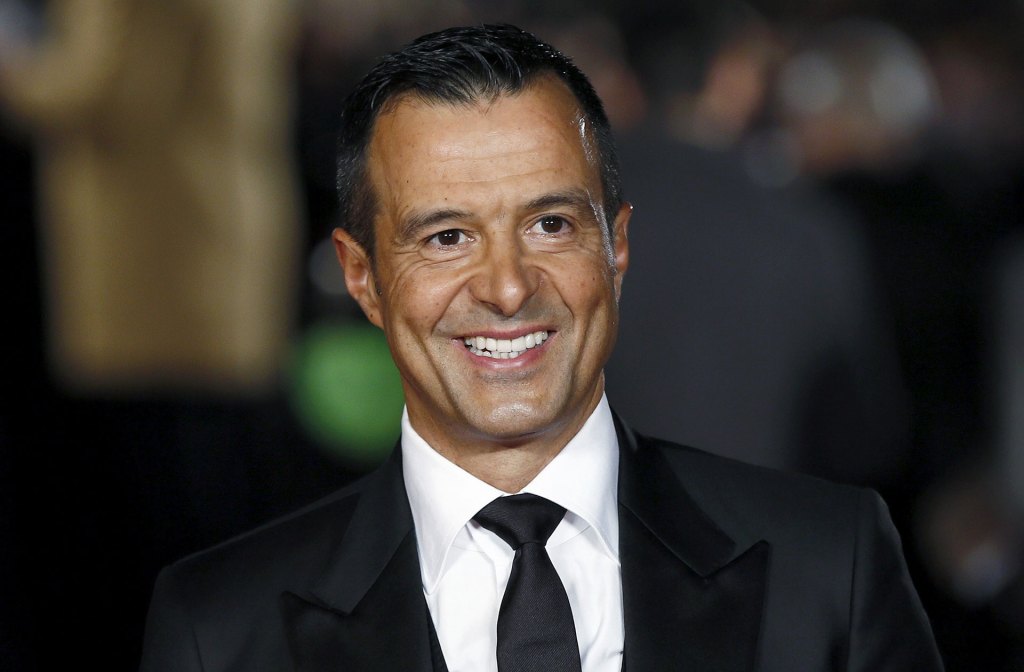
Ever wondered how your favourite sports stars make all that money. Have you ever thought how the biggest footballers in Europe and South America get all those endorsements? How the likes of Ronaldo, Haaland, Messi, Neymar, De Bruyne and co have earned so much in leagues and endorsements. The answer lies in names like Jorge Mendes, Pini Zahavi, Volker Struth , Jonathan Barnett to name a few. who are they you ask? These are the names you should consult if you are a footballer and want to earn the big bucks
In today’s multi-billion-dollar sports industry, professional athletes are more than just players — they are global brands, investment vehicles, and media personalities. Behind most successful athletes stands a skilled sports agent, whose role extends far beyond negotiating contracts. Agents act as dealmakers, strategists, and protectors of an athlete’s financial and professional interests. Their ability to maximize player income is one of the most crucial factors in shaping a modern sports career.
At the core of an agent’s job lies contract negotiation. A player’s primary source of income comes from their team or franchise contract, and agents are responsible for securing the most favorable terms possible. This includes not just the salary amount, but also signing bonuses, performance incentives, image rights, and other financial clauses. For instance, NBA agent Rich Paul, founder of Klutch Sports Group, revolutionized contract negotiations by securing player-empowering deals that allow athletes more control over their careers and earnings. The art of negotiation involves understanding the market, player performance, salary caps, and leverage — all of which an experienced agent uses to extract the best possible deal.
However, agents don’t stop at team contracts. In today’s world, a significant portion of an athlete’s income often comes from endorsements, sponsorships, and brand partnerships. Agents actively seek and manage these opportunities, aligning players with companies that enhance their image and market value. Whether it’s a shoe deal with Nike, a beverage campaign, or a digital influencer partnership, agents ensure that their clients’ personal brands are monetized strategically. They often negotiate not just one-off payments but long-term contracts or equity-based deals — for example, when LeBron James earned millions from his equity stake in Beats by Dre, rather than a flat endorsement fee.
Another crucial role of agents is career and financial planning. Since most athletes have relatively short playing careers, maximizing earnings during peak years is essential. Agents coordinate with financial advisors, accountants, and investment experts to help players build sustainable wealth. They may guide clients on diversifying income through investments in real estate, startups, or even owning sports teams. In some cases, agents also help players transition into post-retirement opportunities — such as broadcasting, coaching, or business ventures — ensuring financial stability beyond their active years.
Agents also play a protective role by safeguarding players from financial mismanagement and exploitation. Many young athletes come into sudden wealth with little financial education, making them vulnerable to poor decisions or fraudulent schemes. A reputable agent ensures transparency in all transactions, manages tax obligations, and prevents unnecessary financial risks. They also handle disputes, image management, and crisis communication, which indirectly preserve a player’s marketability and future income potential.
In global sports markets, agents additionally help athletes navigate international opportunities and regulations. Football agents, for instance, manage transfers between clubs in different countries, dealing with legal complexities, work permits, and image rights laws. Agents also assess the commercial value of moving to a specific league — for example, when European footballers consider lucrative offers from the Saudi Pro League or Major League Soccer, agents evaluate both the financial and career implications.
Importantly, the best agents cultivate a long-term brand strategy for their clients. They understand that an athlete’s market value depends not just on performance but also on personality, reputation, and visibility. Agents often collaborate with PR teams to shape public image, manage social media presence, and create off-field business ventures that keep the player relevant. This holistic approach transforms athletes from short-term earners into long-term brands.
In conclusion, sports agents are indispensable architects of athlete wealth. They combine negotiation, strategy, marketing, and financial management to maximize both immediate income and long-term value. In an era where top athletes can earn more from endorsements and investments than from their sport itself, the agent’s role has evolved from contract broker to full-fledged business manager. By securing the best deals, protecting assets, and expanding brand potential, agents ensure that athletes not only earn more — but build lasting legacies.
 SPORTYNOMICS
Leave a comment